


The short version
In cold process, soap forms by the saponification of plant oils with sodium hydroxide lye. The lye is strongly caustic, so goggles, gloves and care are mandatory. If you would rather not, start with melt & pour, a ready base without lye, see our DIY guides.
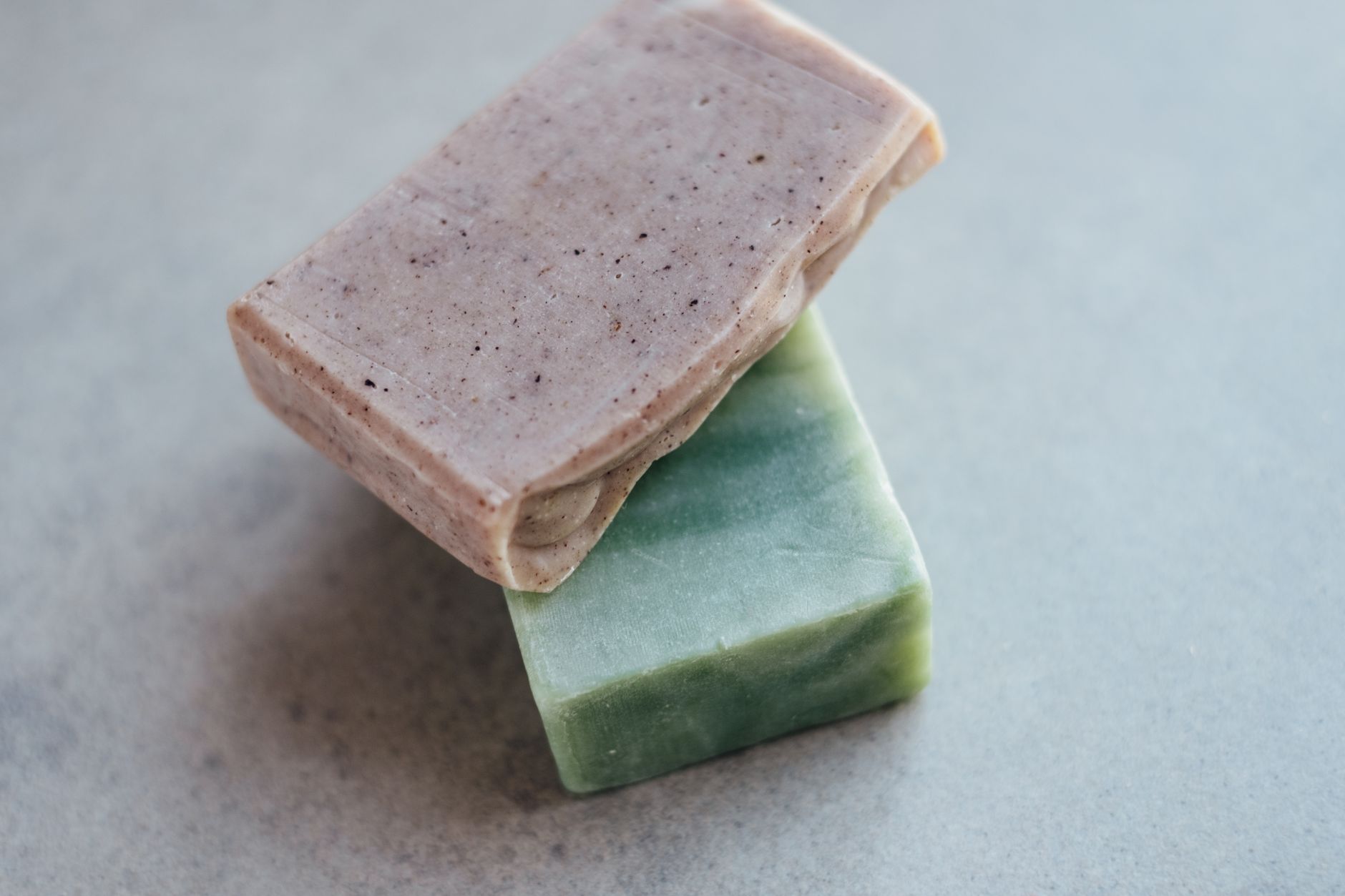
Making your own soap is a small piece of craft: you choose the oils, the scent and the care yourself, and at the end you hold a bar that exists nowhere else. Cold process is the classic method for it, and with a little respect for the lye it is well worth learning.
Before any stirring, we settle the safety. That is not an afterthought, it is the most important part.
Safety first, please take it seriously
Sodium hydroxide lye burns skin and eyes. Stick to these rules consistently:
- Wear goggles and gloves, long sleeves, closed shoes.
- Always add the sodium hydroxide to the water, never the other way round, and stir while you do. It gets hot and briefly gives off fumes, so ventilate well.
- Work in a heat-resistant container, not aluminium.
- Keep children and pets away, clear the work surface.
- Rinse splashes on skin immediately with plenty of water.
Sounds like too much? Then melt & pour is your safe start, with no lye at all.
How cold process works
Mix the lye
Stir the weighed sodium hydroxide into cold water (never the reverse). It heats up, then let it cool to about 40 degrees.
Melt the oils
Combine solid and liquid plant oils and bring them gently to a temperature similar to the lye.
Stir to trace
Pour the lye into the oils and blend with a stick blender until it thickens slightly. That point is called trace.
Refine
Now stir in essential oils, colour or additives, working quickly so nothing sets early.
Into the mould
Pour into a silicone mould, cover and let it rest for one to two days until firm.
Cure
Unmould, cut and cure for four to six weeks. Only then is the soap mild and the saponification complete.
Before you start
- Never estimate amounts: a soap calculator works out the exact lye amount for your oils.
- Plan a small superfatting, it makes the soap milder and more nourishing.
- Begin with a simple recipe, say olive and coconut oil, not too many ingredients.
- Weigh everything rather than measuring, a precise scale is basic kit.
The basic kit
For a safe start you need few but the right things:
- Goggles and resistant gloves
- Precise scale, stick blender and a heat-resistant container
- A silicone soap mould and good plant oils
Frequently asked
Is soap making dangerous?
How long must homemade soap cure?
Do I really need a soap calculator?
What is the difference from melt & pour?
Making it yourself feels good
From the safe start to your own recipe, we show you the way.
Links marked “Ad” are affiliate links. If you buy through them we earn a small commission at no extra cost to you. Our recommendations are made independently.