


The short version
Limescale is calcium carbonate and dissolves in acid. For almost everything around the house, citric acid or vinegar is enough, no pricey special cleaner needed. Soap does not help here, it is alkaline itself. Only old, thick crusts and delicate surfaces have their own rules.
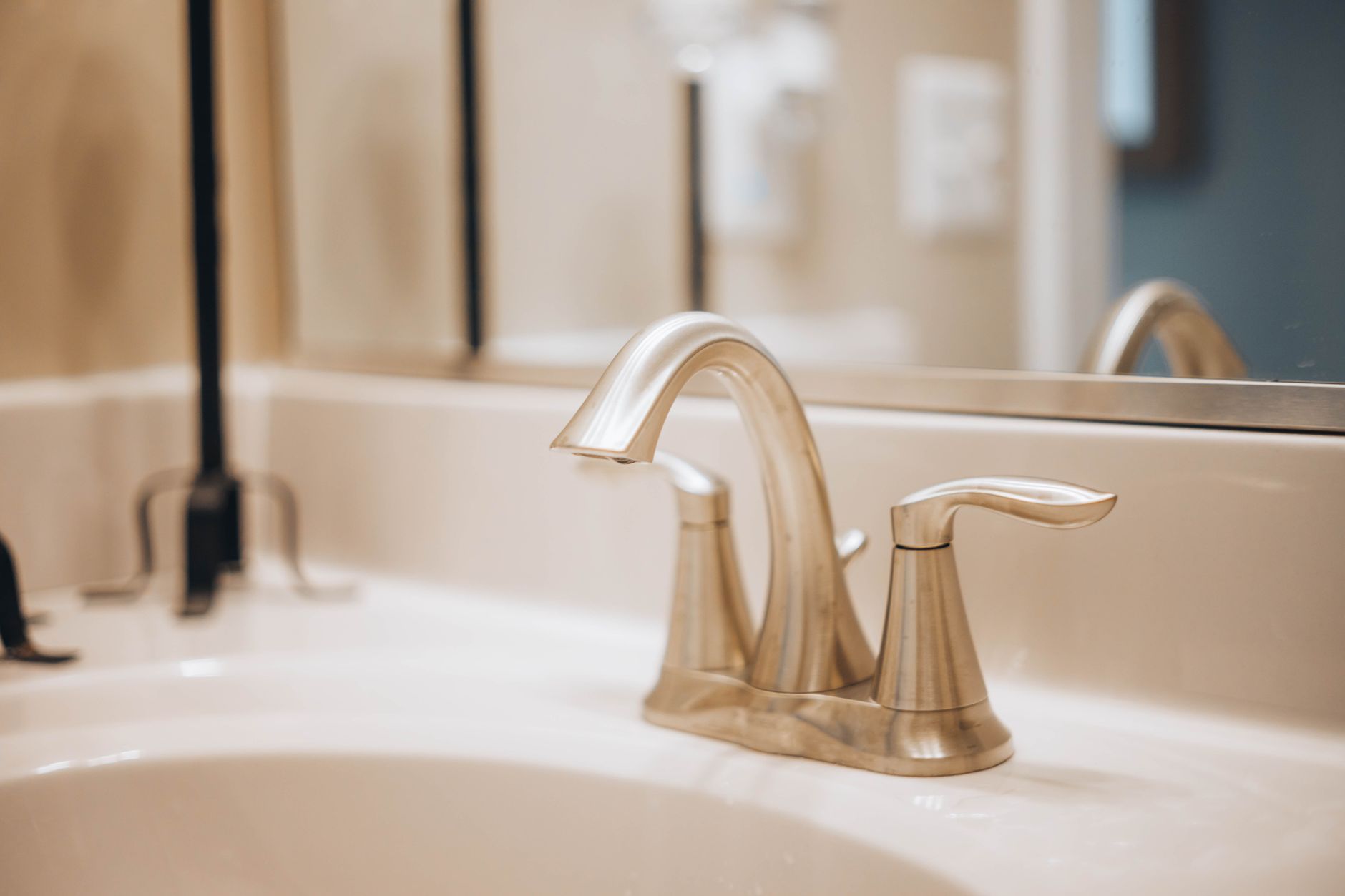
Dull taps, white films on the glass, a shower head that sprays in every direction: in many regions limescale is a daily companion because the tap water is rich in dissolved calcium and magnesium. The good news is that you do not need an expensive special cleaner for most of it.
A little chemistry helps you understand it and makes you more confident. Then we go through the bathroom and kitchen step by step, and say honestly where home remedies reach their limit.
Why acid dissolves limescale
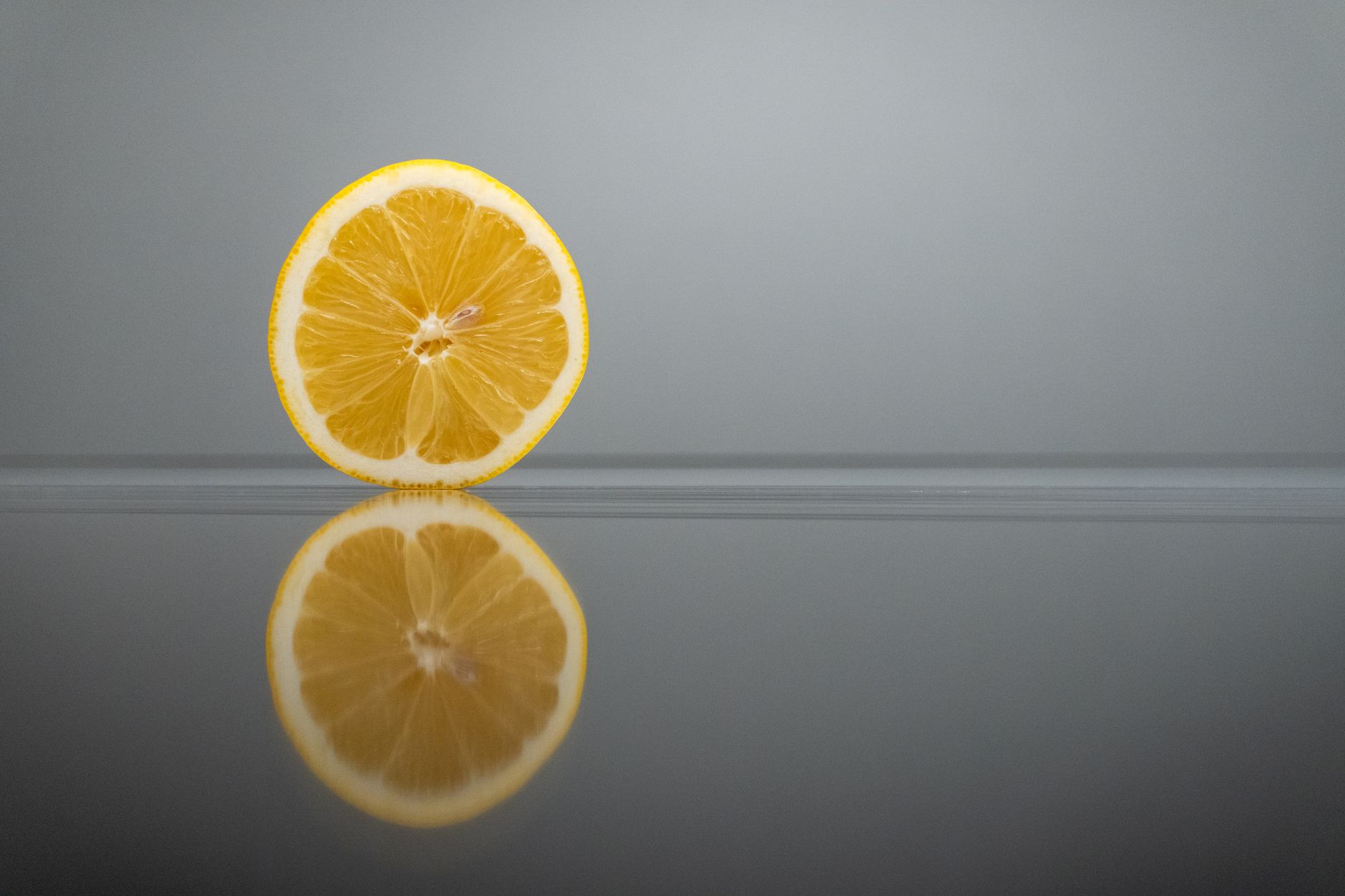
Limescale is chemically calcium carbonate. It is barely soluble in water, which is why it stays behind as a hard white layer when water evaporates. Bring an acid into play and it reacts with the carbonate, turning it into a water-soluble calcium salt. The whole thing fizzes slightly and the scale wipes away. That is exactly why citric acid and vinegar work so reliably, and exactly why soap does not help: soap is slightly alkaline and cannot replace an acid.
Your natural toolkit
Three items cover almost everything. This overview shows which fits when.
| Agent | Strong for | Good to know |
|---|---|---|
| Citric acid (powder) | taps, kettle, bathroom in general | almost odourless, sparing, use lukewarm (not boiling) |
| Vinegar cleaner | quick surfaces, glass, light scale | works fast, strong smell, attacks rubber over time |
| Strong descaler | stubborn, old limescale crusts | only when needed, used briefly and on target |
Important about citric acid: on appliances that combine scale and heat (kettle, coffee machine) use it lukewarm only. Strongly heated, it can form poorly soluble calcium citrate, which would be counterproductive.
Step by step through bathroom and kitchen
Tap & faucet
Wrap a cloth soaked in citric acid solution around the tap, leave for 20 to 30 minutes, wipe, rinse clear. Unscrew the aerator and soak it separately.
Shower head
Fill a bag with the solution, slip it over the head, fix with a rubber band and soak for an hour. Then run it, the jets are free again.
Kettle
Fill with solution, warm briefly (do not boil), leave to act, swirl out and rinse twice with clear water. Done.
Toilet & tiles
Apply a stronger solution, let it act, work over with a brush or a microfibre cloth. Overnight works best.
Basic recipe
Mix a citric acid solution
You need
- 2 tbsp citric acid (powder)
- 500 ml lukewarm water
- optional a spray bottle
How to
Dissolve the powder in lukewarm water, done. For light scale spray and wipe, for stubborn scale let it soak. Better to soak a little longer than to scrub hard, it protects the surface.
Careful: where acid does harm
Acid is strong against limescale, but not welcome everywhere. Keep it away from:
- Natural stone like marble, granite or travertine: acid etches dull marks that stay.
- Rubber seals and hoses: vinegar attacks them over time, they turn brittle.
- Aluminium and bare enamel: can go dull, so only briefly and on target.
When in doubt, test on a hidden spot and always rinse clear.
For old, thick limescale crusts
What built up over years does not always come off in one go. Here we are not eco-dogmatic: a strong descaler solves it on target. What to watch:
- Dose sparingly and let it act briefly, do not pour it everywhere
- Wear gloves, ventilate well, follow the material notes on the pack
- Not on natural stone or delicate surfaces
Frequently asked
Vinegar or citric acid, what is better against limescale?
How do I descale the kettle correctly?
Does acid harm my tiles or shower?
Does baking soda help against limescale?
Clean naturally, room by room
From gentle home remedies to the strong specialist, we judge honestly, you decide.
Links marked “Ad” are affiliate links. If you buy through them we earn a small commission at no extra cost to you. Our recommendations are made independently.